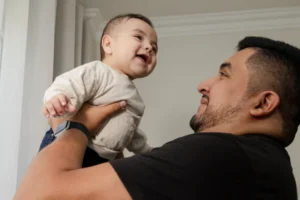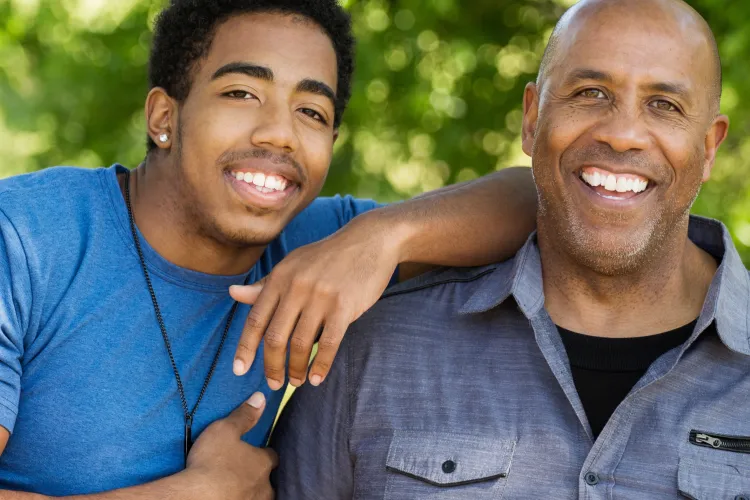
During National Inspirational Role Models Month, I’m reflecting on the people who shaped my journey, the fathers who remind me why this work matters, and the children who continue to inspire me to show up.
I also keep returning to a question I hope others will consider: What inspired you to win? I don’t mean winning in the sense of defeating someone else, having money, or receiving recognition. I mean winning in the deeply personal sense: overcoming something you once believed might defeat you, finding the courage to pursue an opportunity, recognizing abilities you didn’t know you had, or becoming more responsible for the relationships and commitments that matter most.
By Kenneth Braswell, Founder and CEO, Fathers Incorporated
When I first came across National Inspirational Role Models Month, it caused me to think about something we don’t always take enough time to acknowledge. Throughout our lives, people enter our experiences and leave behind something that helps shape who we become. Sometimes their influence is intentional. Sometimes they have absolutely no idea that something they said, something they accomplished, or simply the way they lived their lives became a source of encouragement.
I started thinking about the people who’ve inspired me throughout my life, particularly during the more than two decades I’ve spent building Fathers Incorporated (FI) and working within the responsible fatherhood field. Some have been colleagues. Others are mentors, professional acquaintances, friends, and people whose work I’ve admired from a distance. My family has been an equally important source of inspiration. Even the fathers and families we serve have influenced how I understand this work and my own responsibilities within it.
The more I thought about it, the more I realized that inspiration is rarely the product of one extraordinary person who somehow becomes responsible for everything we accomplish. Most of us are shaped by different people at different moments, each contributing something to our understanding of ourselves and the possibilities available to us.
One person may inspire our professional ambition without ever influencing our personal relationships. Another might demonstrate the patience required to sustain a marriage, while someone else teaches us how to recover from disappointment. A teacher may recognize an ability we haven’t yet discovered. A friend may encourage us to take a chance we’re afraid to take. A colleague may challenge an idea we thought was brilliant and, in doing so, help us create something considerably better.
We don’t necessarily become who we are because of one person. Sometimes we become who we are because of the small pieces of wisdom, encouragement, correction, and example that others leave with us along the way.
And I wonder how often we take the time to thank them.
The People Who Helped Shape My Work
When I think about my journey in responsible fatherhood, several names immediately come to mind. Dr. Ron Mincy, Charles Ballard, Jerry Tello, Kirk Harris, Robert Johnson, Vicki Turetsky, Joe Jones, Jeff Johnson, Terrie Williams, Larry and Diana Ritter, John Harris, Bishop Darren Ferguson, Ed Lawson, Aaron Dare, Aaron Mair, Gregory Owens, Jeanette Herrick, Carolee Bennett, Shawn Dove, Donna Linder, Patrick Patterson, David Miller, James Worthy, and Eugene Schneeberg are among the people whose presence, work, ideas, and example have inspired different aspects of my journey.
This is certainly not an exhaustive list. In fact, I’m almost uncomfortable naming individuals because I know there are others whose contributions to my life deserve equal recognition. These are simply some of the people who came to mind as I reflect now.
What makes their influence meaningful isn’t that they all inspired me in the same way. They haven’t. Some expand my understanding of policy, research, and the systems that shape the lives of fathers and families. Others demonstrate the importance of community engagement, program development, advocacy, and the patience required to create meaningful institutional change. Still others help me recognize the value of relationships, the importance of listening, and the need to remain connected to the people whose lives our work is intended to improve.
Not one of these individuals is responsible for everything I’ve become, nor would I suggest that we’ve agreed on everything along the way. That’s part of what makes the relationships valuable. Inspiration doesn’t always come from agreement. Sometimes it comes from being challenged to think differently, reconsider an assumption, or examine whether our good intentions are actually producing the outcomes we desire.
Over the years, I’ve learned that having a vision and building something capable of sustaining that vision require different abilities. Passion can get an initiative started, but it takes discipline, organization, relationships, and a willingness to learn from others to keep it moving. Much of what I’ve learned about operationalizing fatherhood work has come through observing people who understood those distinctions long before I fully appreciated them.
I also think about the people who have worked alongside me at FI. My staff has inspired me in ways that deserve far more recognition than I probably give them. They’re the people who turn ideas into services, listen to fathers when their circumstances are complicated, confront the daily challenges of delivering programs, and continue doing the work long after the excitement surrounding a new initiative has faded.
Leadership sometimes receives recognition for things that could never have been accomplished without the commitment of people who rarely stand at a podium or receive public applause. The longer I lead, the more I understand that some of the most meaningful inspiration comes from watching others take ownership of a mission and make it better through their own gifts and abilities.
Role Models Aren’t Substitutes for Fathers
Because I work in fatherhood, conversations about role models frequently begin with children who experienced the absence or inconsistent involvement of their fathers. We understandably discuss the importance of positive male influences, mentors, coaches, teachers, uncles, grandfathers, and other men who can help children navigate life.
These relationships matter enormously. I know that from my own experiences growing up without the consistent presence of my father, but I think we unnecessarily narrow our understanding of role models when we treat them primarily as substitutes for a parent who wasn’t there.
People need role models even when they have loving, attentive, and engaged parents. A young man with an extraordinary father may still need someone who can help him understand entrepreneurship. A woman raised in a supportive family may find inspiration in someone who demonstrates how to lead an organization. A married couple may benefit from watching another couple navigate difficulties with patience and mutual respect. Two parents raising a child from separate households may need examples of people who’ve learned to communicate, establish boundaries, and place their children’s well-being above unresolved disagreements.
We need role models for careers, marriage, parenting, friendship, leadership, community service, emotional maturity, financial responsibility, and personal growth. As our lives change, so do the examples we look toward for encouragement.
Some of the people who inspire us may be younger than we are. Others may be individuals we’ve never met. Their influence might come through a book, a conversation, a public act of courage, or the quiet determination with which they face an extraordinary challenge.
The point is that no matter how old we become or how much we accomplish, we should never assume that we’ve outgrown our need to learn from someone else’s example.
I’m still learning.
The Fathers Who Inspire Me May Never Know It
At FI, much of our work is centered on helping dads become more persistent, mindful, steady, compassionate, emotionally available, and dependable in their children’s lives. We encourage fathers to recognize their strengths while taking responsibility for the behaviors and circumstances that may be preventing them from becoming the parents they want to be.
That work requires more than delivering information. A man can sit through an excellent parenting workshop, understand every concept presented, and still struggle to translate those lessons into his everyday life.
Knowledge is valuable, but encouragement, accountability, and the opportunity to see positive behavior modeled by others can help a person begin putting that knowledge into practice. One of the most powerful elements of our programming has always been the opportunity for fathers to learn from other fathers.
I’ve watched men become encouraged simply because they encountered someone whose circumstances resembled their own. Maybe another father had struggled with employment, experienced incarceration, navigated a difficult co-parenting relationship, or spent years trying to reconnect with a child. Hearing how that person approached the challenges, acknowledged mistakes, sought assistance, and began making different decisions can make a possibility seem more attainable.
What I find particularly meaningful is that the person providing the inspiration doesn’t necessarily have to have everything figured out.
Sometimes the most powerful role model in the room is the father who is still struggling but has decided that he isn’t going to surrender to those struggles. He may still be trying to repair a relationship with his child. He may still be learning how to manage his emotions or communicate with his co-parent. He may not yet have the job, housing, or stability he hopes to achieve. But he’s making an effort, accepting responsibility, and demonstrating a willingness to grow. That example can be extraordinarily meaningful to another father who’s trying to determine whether change is possible in his own life.
We should also recognize that inspiration isn’t a substitute for accountability. A father’s determination to overcome adversity matters, but so does whether his child experiences him as dependable, safe, and emotionally available. An inspiring story about personal transformation becomes considerably more meaningful when the people affected by that transformation begin experiencing the benefits.
For me, that’s part of the beauty of responsible fatherhood work. We’re not simply encouraging fathers to admire examples of success. We’re helping them understand how their own decisions and behavior can become positive examples for someone else.
A father who learns to communicate more respectfully with his co-parent may inspire another man to reconsider how he handles disagreements. A dad who acknowledges the harm caused by years of inconsistent involvement may help someone else recognize the importance of repairing a relationship before more time passes. A man who learns to seek help instead of hiding his emotional struggles may give another father permission to do the same.
The inspiration moves from one person to another, sometimes without either of them realizing how significant the exchange has become.
My Family Continues to Teach Me What Inspiration Really Means
When I think about the people who have shaped my life, I can’t separate my professional journey from my family.
My wife, Tracy, has been an extraordinary part of that journey. Beyond our marriage, we’ve shared the responsibilities, pressures, aspirations, and challenges associated with building an organization dedicated to strengthening families. She understands both the personal and operational realities of this work, including what isn’t visible when people see a successful program, a public presentation, or an organizational accomplishment.
I’m inspired by the steadiness that meaningful partnerships require. Marriage and family life aren’t sustained by public declarations about commitment. They’re sustained by the decisions people make in ordinary moments, particularly when circumstances are demanding and patience is being tested. Being married and working together has reinforced my understanding that the relationships closest to us deserve the same intentionality we encourage in the families we serve.
My children and their mothers (Shani, Cynthia, and Brenda) inspire even deeper reflection.
As a father, I’ve spent a significant portion of my adult life encouraging other men to understand the importance of showing up for their children. Yet fatherhood continues to teach me that even when we understand what we should do, we can still fail to do it consistently. I have my own struggles, frustrations, competing responsibilities, and moments when I have to examine whether I’m giving the people closest to me the attention they deserve. I would never want my professional work to become a substitute for my responsibilities within my own family.
My children remind me of that distinction. Through their experiences, accomplishments, disappointments, questions, and the different stages of their lives, I continue learning what it means to be present. I’m reminded that children experience fatherhood through the relationships we build with them, the time we make available, the promises we keep, and our willingness to listen when they need us — not through our professional credentials or the speeches we deliver about parenting.
They also inspire me through the people they’re becoming. Watching children discover their abilities, confront challenges, make decisions, and develop their own identity reminds me that parenting isn’t simply about shaping someone else’s future. It’s also about allowing their growth to shape our understanding of ourselves.
That’s why, when I think about inspiration, children remain at the center of my thinking. Not only my own children, but the children whose lives are affected by the fathers, mothers, co-parents, and families we work with every day. Their need for love, stability, encouragement, and dependable relationships gives purpose to our work, even when the work itself becomes difficult.
Sometimes, the Most Inspiring Person Is Still Going Through the Storm
Our continued expansion into co-parenting through Dad & Company has reinforced another lesson about inspiration. Families don’t have to reach some idealized destination before they can demonstrate meaningful progress.
A father and mother who are learning to communicate after a painful relationship ending may not describe their lives as inspirational. They may still disagree about schedules, financial responsibilities, parenting expectations, or decisions affecting their children. Yet when they begin changing how they approach those disagreements, they show that even fractured adult relationships can evolve in ways that protect children from unnecessary conflict.
I’m inspired by people who make those difficult adjustments. Sometimes it’s the father who realizes that being right in an argument is less valuable than being effective in his parenting. Sometimes it’s a mother who continues carrying significant responsibilities while working to create stability for her child. Sometimes it’s two co-parents who recognize that ending their romantic relationship doesn’t eliminate their shared responsibility to raise a child.
Of course, not every parenting relationship can or should look the same. Safety, boundaries, and accountability must remain central, especially when relationships involve abuse, intimidation, or harmful behavior. Even then, we can recognize the courage it takes for a parent to establish a healthier and more secure environment for a child.
What inspires me isn’t the image of a perfect family. It’s the willingness of people to examine their circumstances and make decisions that move their families toward something healthier.
That’s one of the things I hope our fathers and co-parents experience through our programs. When people have opportunities to encounter others who have navigated similar challenges, their understanding of what’s possible can begin to change. And sometimes that possibility is all a person needs to take the next responsible step.
What Inspired You to Win?
As I reflect on National Inspirational Role Models Month, I keep returning to a question that I hope others will consider: What inspired you to win?
I don’t mean winning in the sense of defeating someone else, having more money, receiving recognition, or achieving a level of success that makes your life appear impressive to others. I mean winning in the deeply personal sense: overcoming something you once believed might defeat you, finding the courage to pursue an opportunity, recognizing abilities you didn’t know you had, or becoming more responsible for the relationships and commitments that matter most.
Who helped you believe you could do that?
Perhaps it was a parent who worked tirelessly to create opportunities they never had. Maybe a teacher recognized your potential when you were struggling academically. It could have been a supervisor who took a chance on you, a friend who refused to let you abandon a dream, or someone who demonstrated through their own experiences that difficult circumstances don’t have to determine the entirety of a person’s future.
Your inspiration might have come from someone who is no longer living, someone with whom you’ve lost contact, or someone who remains part of your daily life. Maybe the person who inspired you is your spouse, your child, your sibling, or a colleague whose contributions you’ve never fully acknowledged.
And perhaps you’re still looking for someone who can help you see possibilities beyond your current circumstances. That, too, is a meaningful part of the journey.
During November, I encourage you to identify at least one person who has inspired some part of your life and tell them what their example has meant to you. Be specific. Tell them what they did, what you learned, and how their influence helped you approach something differently. If that individual is no longer here, honor them by sharing their story or passing along the lesson they left with you.
I also encourage you to think about the people who may be looking toward you for inspiration. You may never know who’s paying attention to the way you treat your family, approach your work, respond to disappointment, or show compassion. Your influence might come through a conversation that lasts only a few minutes or a relationship that develops over many years.
We don’t have to be extraordinary in every area of our lives to make an extraordinary difference in someone else’s.
After more than two decades in this work, I remain inspired by the people who helped build the responsible fatherhood field, those who continue pushing it forward, the colleagues who turn vision into action, and the fathers and co-parents who remind me why our efforts matter.
Above all, I remain inspired by children, including my own, whose lives remind me that showing up isn’t something we accomplish once. It’s a responsibility we renew through our actions.
This November, I want to express my gratitude to the people who have contributed pieces of themselves to the person I continue becoming. I know I haven’t named everyone, and I hope those I’ve overlooked understand that their influence is no less meaningful.
I also hope we can expand this conversation beyond a single month of recognition. The people who inspire us deserve to know that their encouragement mattered, and the people watching our example deserve our best efforts to give them something worth carrying forward.
So, I’ll leave you with the question that inspired me to write this reflection: Who inspired you to win, and have you ever told them?