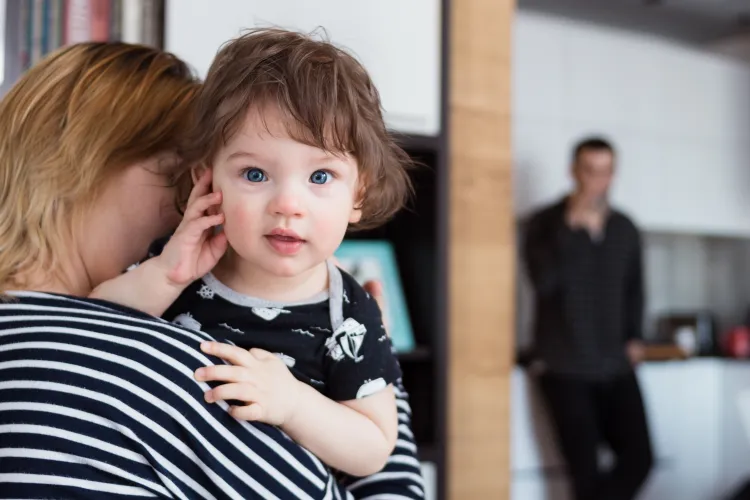
A mother receives a breast cancer diagnosis. But the school bus still comes in the morning. Homework still needs to be checked. Children still need dinner, clean clothes, and someone to listen to how their day went. Life doesn’t pause because she needs treatment.
For parents who are no longer together, that reality raises an important question: How do we show up for each other when the relationship has changed, but the responsibility of parenting remains?
By Dr. Matisa Wilbon, Co-Chair, Moynihan Institute for Fatherhood Research and Policy
A mother receives a breast cancer diagnosis. But the school bus still comes in the morning. Homework still needs to be checked. Children still need dinner, clean clothes, and someone to listen to how their day went.
Life doesn’t pause because she needs treatment.
For parents who are no longer together, that reality raises an important question: How do we show up for each other when the relationship has changed, but the responsibility of parenting remains?
During Breast Cancer Awareness Month, we talk about screenings, pink ribbons, and supporting women facing a diagnosis. But we also need to talk about fatherhood, co-parenting, and the people around a family who can turn concern into consistent support, because “let me know if you need anything” needs follow-through.
This topic is personal for me. My mother was a breast cancer survivor, so I bring more than a professional interest to this conversation. I bring the perspective of a daughter whose mother faced this disease.
When we talk about a mother’s health, we’re talking about someone deeply loved. We’re talking about someone whose children have their own questions, concerns, and need for support. That personal connection is part of why I want us to think seriously about how fathers and the parenting team show up.
Mom’s Health Still Matters After the Romantic Relationship
Dad, you may no longer be her partner, but you’re still your child’s father.
There may be history between you. Disappointment. Hurt. Conversations you would rather avoid. Those experiences are real, but a mother’s illness shouldn’t become another place where unresolved conflict determines how the parenting team responds.
Supporting her doesn’t require rekindling a relationship. It requires recognizing her humanity and taking responsibility for what your children need. She deserves care as a person, and your children need adults who understand that their mother’s health matters.
We often discuss maternal health in connection with pregnancy and childbirth. This conversation asks us to consider mothers’ health throughout their parenting lives, too. When a mother faces breast cancer, the parenting team has an opportunity to help make space for her care.
That’s part of Responsible Fatherhood.
Move From Offering Help to Sharing Responsibility
“Call me if you need me” may sound supportive, but it still leaves Mom responsible for identifying the need, organizing the solution, and asking someone to participate.
A more useful offer is specific:
- “I can handle school pickup on your appointment days.”
- “I’ll take care of dinner and homework on Tuesdays and Thursdays.”
- “Would it help if the children stayed with me while you recover? Let’s talk about what works for everyone.”
The National Cancer Institute identifies practical assistance, such as preparing food and helping with appointments, alongside emotional support as meaningful forms of cancer caregiving. Parenting responsibilities deserve that same practical attention.
The goal is to take ownership of agreed responsibilities and follow through. If you commit to pickup, arrive. If you agree to handle homework, check it. If plans change, communicate early.
Consistency gives the family something it can count on during an uncertain time.
Let the Parenting Schedule Respond to the Need
A schedule that worked before Mom’s breast cancer diagnosis may need adjustments during treatment and recovery.
Have the conversation directly:
- What parenting tasks need coverage?
- Which routines can we keep consistent for the children?
- Who is the backup if an appointment runs late?
- When will we check in and revisit the plan?
Write down what you agree to so everyone understands their responsibilities. Where formal custody arrangements apply, use the appropriate process for making changes.
And be clear about this: A parenting team should make it easier to ask for help.
Needing help during an illness doesn’t make someone an inadequate mother. Support should never become a threat, a bargaining tool, or something held over her later.
Communicate With Respect and Keep Children Out of the Middle
A child shouldn’t have to deliver this message: “Tell your daddy I need him to pick you up.” Nor should a child be asked to report on their mother’s symptoms, appointments, or private conversations.
Adults need to communicate with adults.
Ask what information Mom is comfortable sharing and what you need to know to coordinate parenting. Respect her privacy. (Being a co-parent doesn’t automatically give you access to every medical detail.)
Keep communication focused on the plan: transportation, meals, school, activities, and the children’s needs. You can disagree about the past and still communicate respectfully about Thursday’s pickup.
Give Children Room to Feel
After Mom’s breast cancer diagnosis, children may have questions they don’t know how to ask. They may worry about their mother or wonder whether something they did caused her illness.
Coordinate an honest, age-appropriate explanation. Her care team can help the family find language and support suited to the children. A starting point might be: “Mom has an illness called breast cancer. Her doctors are helping her, and the adults are making a plan to care for you. You didn’t cause this. You can ask us questions and tell us how you feel.”
Avoid promises about outcomes you can’t know. Offer reassurance about what you can do: listen, show up, and keep them informed.
Let children love and comfort their mother without making them responsible for managing her emotions or the household.
This Is Where the “& Co” Matters
Dad & Company invites us to think about the people who help make parenting possible.
A grandmother may prepare meals. An auntie may handle transportation. A trusted friend may help with school pickup. A father’s partner may support routines in his home.
But everyone needs a clear role. The mother should have a voice in who participates and how. Help should respect boundaries, protect privacy, and reduce confusion. Ask: “What can I take responsibility for that will make this week more manageable?” Then do it.
Breast Cancer Awareness Month gives us a reason to begin this conversation. Shared responsibility gives us a way to act on it:
- Fathers, start with one respectful conversation.
- Parenting teams, build one clear plan.
- Each person, take ownership of one concrete responsibility.
The relationship may have ended, but the responsibility to show up for your children continues.